Your Cart is Empty
Mounts

March 25, 2026 3 min read
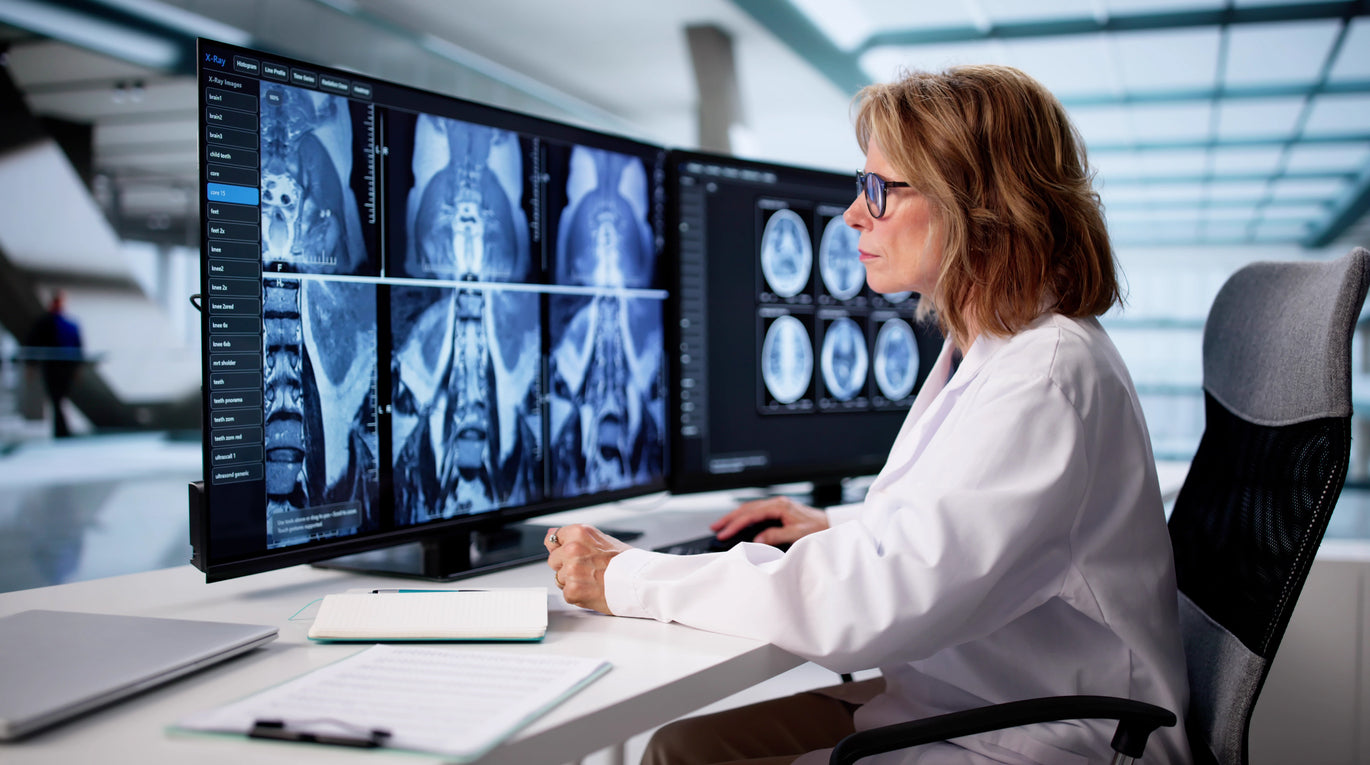
Across the industry, imaging volumes are rising as AI tools make interpretation faster and more efficient. Instead of replacing the human element, AI is acting more like a high-velocity funnel. It helps radiology teams move through cases faster while giving clinicians more confidence to order imaging when it is needed.
AI-enabled triage and reporting tools are already shortening the time between image capture and the first clinical insight. In some systems, AI can flag urgent findings such as pneumothorax or fractures in as little as 24 seconds, compared with traditional notification times that could stretch well beyond 20 minutes.
That kind of speed does more than clear backlogs. It changes how imaging is used.
When turnaround times drop and clinicians know results will come quickly, the threshold for ordering a scan often becomes lower. Imaging becomes easier to use for proactive screening, faster ER triage, and more confident clinical decision-making. As a result, practices that once handled 40 exams a day are now pushing toward 70 or more.
While the digital side of radiology has accelerated dramatically, the physical side of the exam room still operates in the real world. As imaging volumes climb, small workflow inefficiencies start to add up quickly.
Equipment protection, infection control, and positioning efficiency suddenly become critical operational factors.
In many departments, the real bottleneck is no longer image interpretation. It is the time required to reset the room between patients. A single digital radiography (DR) detector can represent a significant investment, often costing between $15,000 and $40,000 to replace. As patient volume increases, the likelihood of damage from fluid exposure, drops, or positioning strain rises as well.
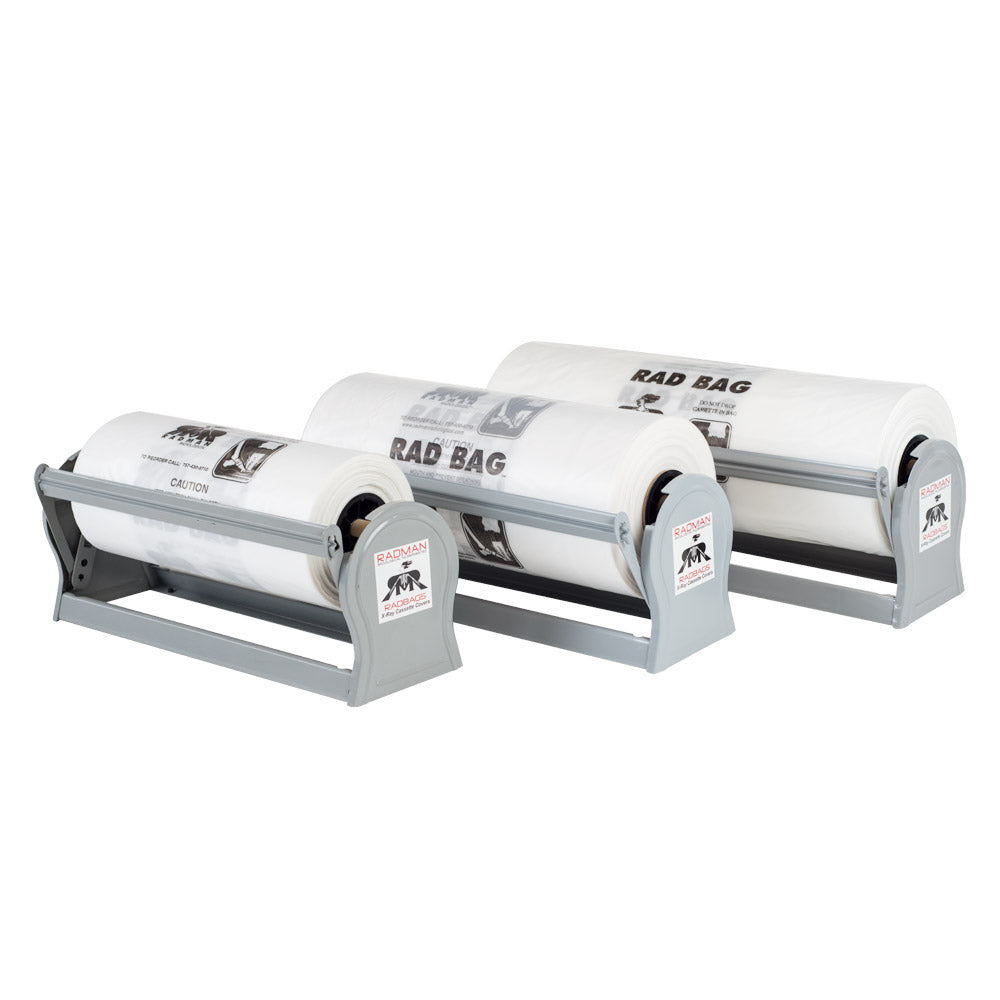
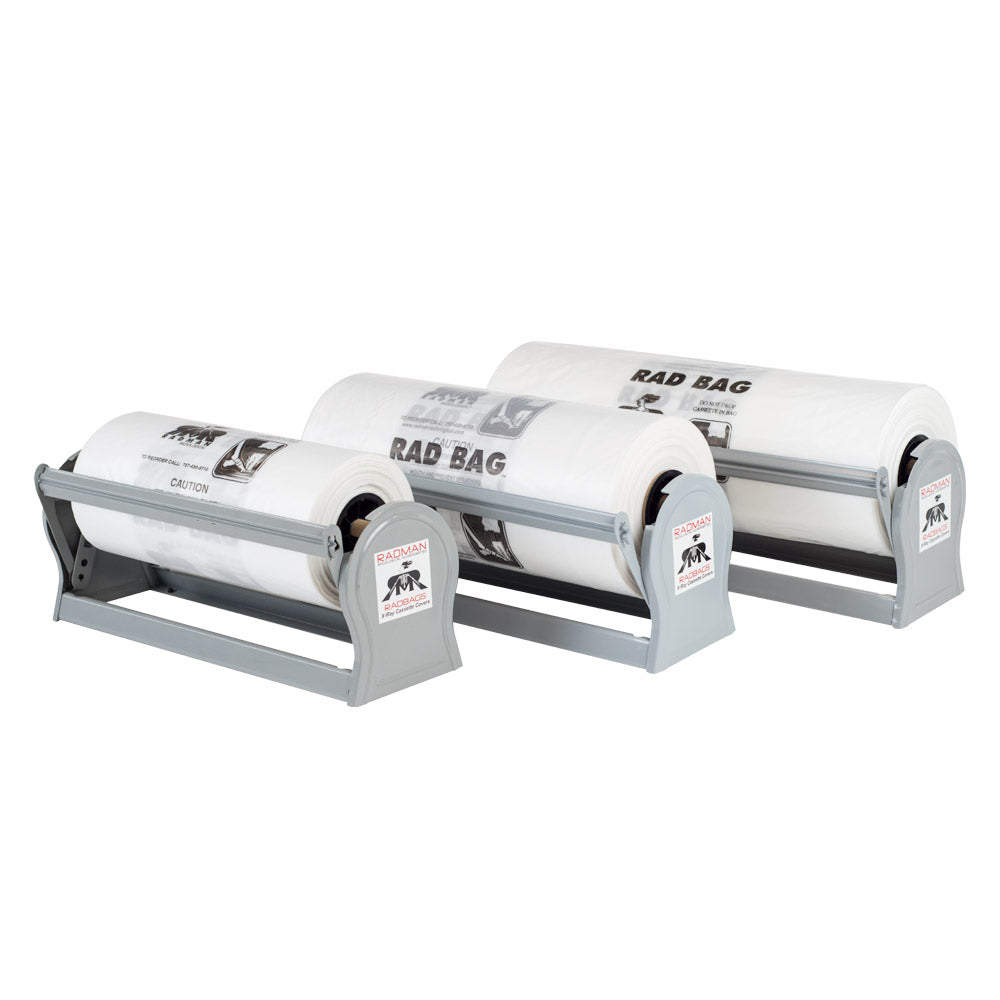
To keep pace with the speed AI brings to image interpretation, the physical workflow needs to be just as efficient. That is where specialized tools like Radman Radiological's X-ray cassette covers come into play.
Manual disinfection of DR panels can slow down patient turnover. Disposable protective barriers allow staff to maintain hygiene standards while moving quickly between exams.
With detectors being handled more frequently throughout the day, protective covers act as an additional layer of defense against costly damage.
Technologists often point out that while AI can analyze an image in seconds, it cannot help slide a detector under a patient. Radman's low-friction cover material allows panels to move more easily into position, reducing physical strain and eliminating the small delays that can compound over dozens of exams.
The future of radiology is not a choice between humans and machines. It is a hybrid system where AI accelerates interpretation while clinical teams manage the physical realities of patient care.
As imaging demand continues to grow, the small details inside the exam room start to matter more. Tools that reduce friction, protect equipment, and support faster turnover allow departments to fully benefit from the speed that AI brings.
Modern radiology is increasingly about doing more with less: less downtime, less risk, and less friction.