Your Cart is Empty
Mounts

August 10, 2026 4 min read
One spill. One damaged X-ray cassette. One $10,000 replacement.
That is the situation a coroner's office recently shared with us. During an imaging procedure, bodily fluids came into contact with an unprotected cassette. The damage was severe enough that the equipment had to be replaced at a cost of approximately $10,000. That loss is significant, but it can represent the low end of the financial risk.
Published cost estimates show why. Conventional wireless flat-panel detectors can cost roughly $40,000 to $50,000, specialized detectors can reach approximately $65,000, and complete mobile digital X-ray systems can exceed $100,000. Depending on the equipment involved, one fluid-damage incident can put tens of thousands of dollars, and sometimes more than $100,000, at risk.
The replacement invoice is the most obvious expense, but it is rarely the only one. A damaged cassette or digital detector can also create:
Equipment manufacturers recognize liquid damage as a serious operational risk. Carestream, for example, specifically lists liquid damage among the detector accidents addressed through its optional protection plans and emphasizes the potential for interruptions, delays and unplanned replacement expenses.
For a hospital, trauma center, mobile imaging provider, veterinary facility or coroner's office, losing a cassette can mean losing a critical part of the imaging workflow.
X-ray cassettes and detectors are frequently positioned directly against patients, beneath bodies or close to areas where blood and other fluids may be present. This makes contamination a practical concern, especially in emergency, surgical, postmortem and mobile imaging environments.
The CDC notes that X-ray equipment surfaces can become contaminated with infectious agents. It recommends cleaning and disinfecting contaminated medical equipment and identifies disposable plastic barriers as a useful way to protect surfaces that may be difficult to clean. Barriers must still be replaced when soiled or damaged, and they do not eliminate the need to follow the equipment manufacturer's cleaning instructions.
Research also supports the contamination concern. In one study of 37 X-ray cassettes, researchers detected methicillin-resistant Staphylococcus aureus on 16.2% of the cassettes and methicillin-resistant Staphylococcus haemolyticus on 51.4%. The researchers concluded that contaminated cassettes could potentially act as fomites in hospital environments.
Once fluid reaches seams, battery compartments or internal electronic components, surface cleaning may not be enough to prevent permanent damage.
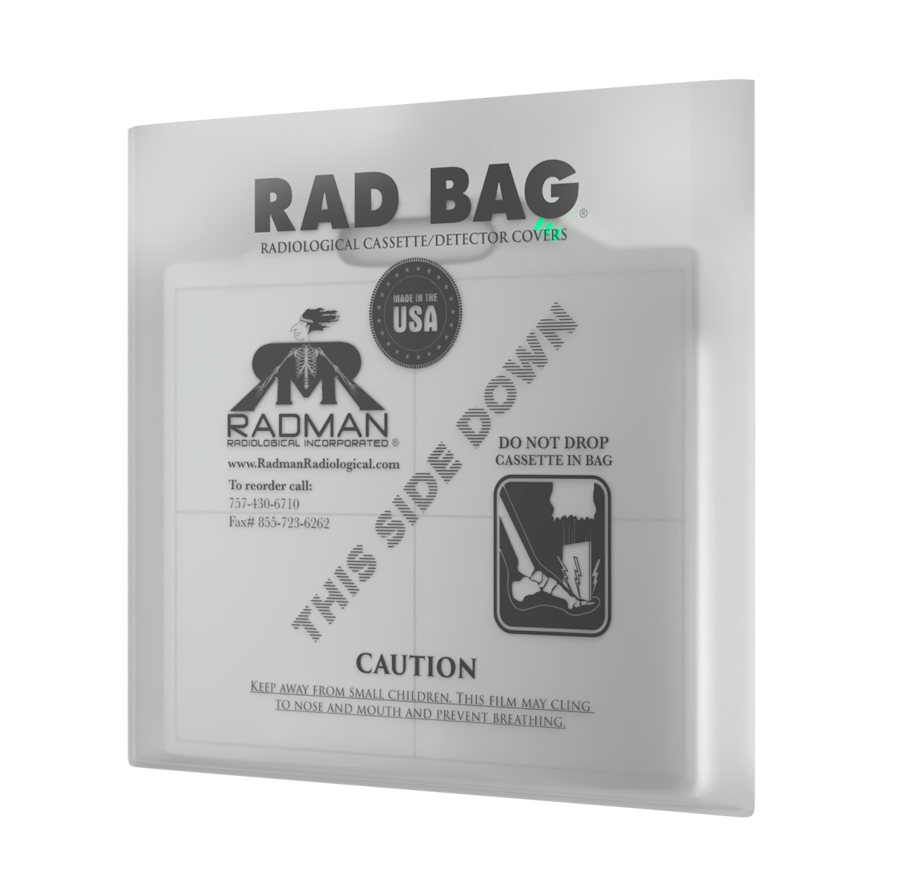
Disposable X-ray cassette covers create a physical barrier between the cassette or detector and blood, bodily fluids, moisture and other contaminants.
The financial difference is difficult to ignore.
One publicly available distributor listing prices a 500-count roll of 14-by-17-inch Rad Bag® cassette covers at $195, or approximately $0.39 per cover. At that price, the $10,000 spent replacing one damaged cassette could have purchased more than 25,000 covers. A $50,000 equipment loss is equivalent to more than 128,000 covers, while a $100,000 loss is equivalent to more than 256,000 covers. Preventing even one major fluid-damage incident can offset years of routine barrier protection.
The exact cost per procedure varies by cassette size, closure style, order volume and supplier pricing. The broader calculation remains the same: protecting a cassette costs well under a dollar per use, while replacing damaged imaging equipment can cost thousands.
A cover cannot guarantee that equipment will never be damaged. It can, however, provide an inexpensive first line of protection against a common and preventable risk.
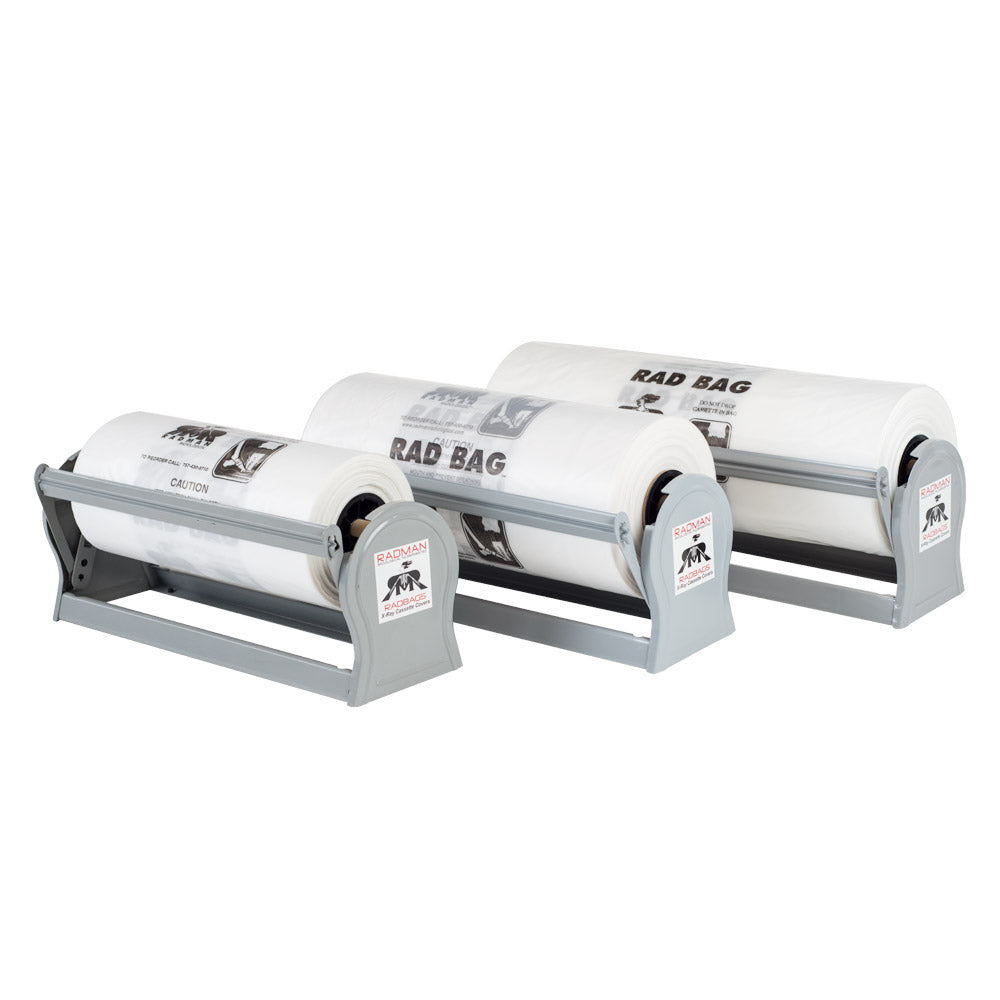
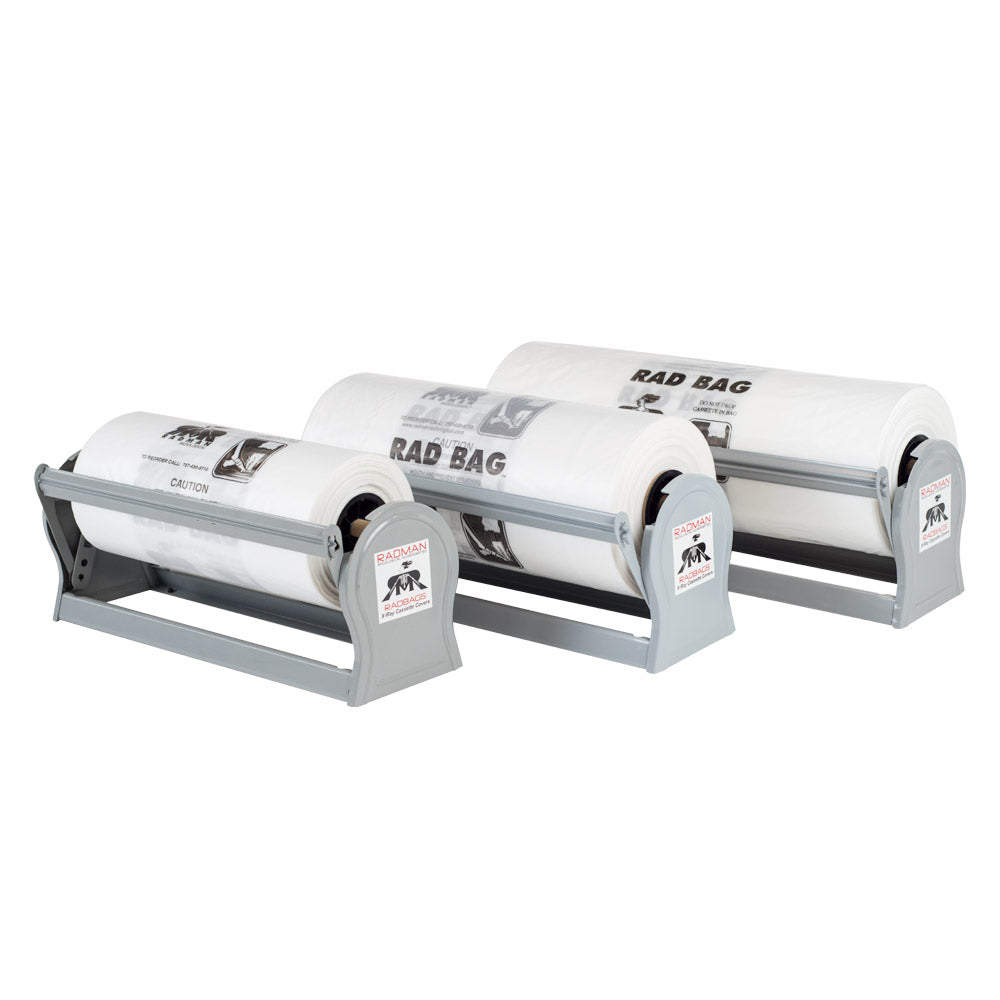
Rad Bag® cassette covers are designed specifically for medical imaging environments. They provide barrier protection while allowing technologists to position and handle cassettes efficiently.
Available features include:
For high-risk settings such as trauma departments, operating rooms, mobile imaging operations and coroner's offices, zip-lock covers provide a more secure closure around the detector. Radman's product specifications state that these covers are designed to help protect against moisture, bodily fluids and other contaminants.
These solutions are also proven through decades of real-world use. Radman Radiological reports that more than 90 million Rad Bags® have been sold and that the products are used in more than 2,100 hospitals. The company has produced cassette covers since 1995 and offers custom sizing for facilities with specialized equipment.
Cassette protection is easy to overlook until an accident happens.
The coroner's office that lost a $10,000 cassette learned that lesson through an expensive equipment failure. For facilities using higher-end digital detectors or mobile systems, the financial exposure can be five to ten times greater. Other facilities can learn from that incident without absorbing the same cost.
The right protective cover can help:
Rad Bag® cassette covers are available in multiple sizes and configurations for standard cassettes, digital detectors and specialized imaging systems.
Protect the cassette before the procedure, not after the damage is done.
Browse Rad Bag® cassette covers